






This is an opinion piece based on publicly available information about the recent settlement between Wrigley and Terphogz. All references to candy and cannabis names are historical in context and thus appear in quotation marks. This is not legal advice, a refutation, or an agreement of any settlement(s) but simply a summary of historical events and their potential impacts.
***Update August 2023***
Terphogz released an official statement regarding their perspective and the ultimate resolution of the conflict with Wrigley’s. Terphogz states:
After using the ‘Zkittlez’ mark for over 10 years with no complaints from the candy maker, we welcomed the opportunity to resolve any trademark concerns with Wrigley. We want to let consumers know they can still enjoy our unique and highly sought-after cultivar under the name ‘The Original Z.’
It was also detailed that the lawsuit was settled without damages being paid to Wrigley, which we’re happy to hear because, as we’ve argued, it’s pretty insane to assume anyone would confuse cannabis flower with an artificially colored sugar candy, but hey, what do we know?
So “Zkittlez” is officially no more; however, Terphogz wasn’t destroyed (yay!) and will now market their Skittles-esque terpene profiles as “The Original Z,” which doesn’t sound too bad if we say so ourselves.
Ultimately, we’re just glad to see this resolved without it getting nasty, as it should be!
The Death of the “Zkittlez” Name
If you’re a flavor chaser or just into juicy hype strains in particular, then you’ve undoubtedly come across either a “Zkittlez” strain or a strain that was bred with “Zkittlez” as one of its parents, such as “Watermelon Zkittlez,” “Blue Zkittlez,” or “Zkittlez Cake,” for example.
Cannabis breeders often name their new strains after the smell and flavor they impart due to their unique terpene content, which is how the “Zkittlez” name came to be; this strain is particularly fruity and sweet in scent and flavor.
This candy strain niche is one of the fastest-growing in the cannabis industry and is evidenced by increased search demand over time:
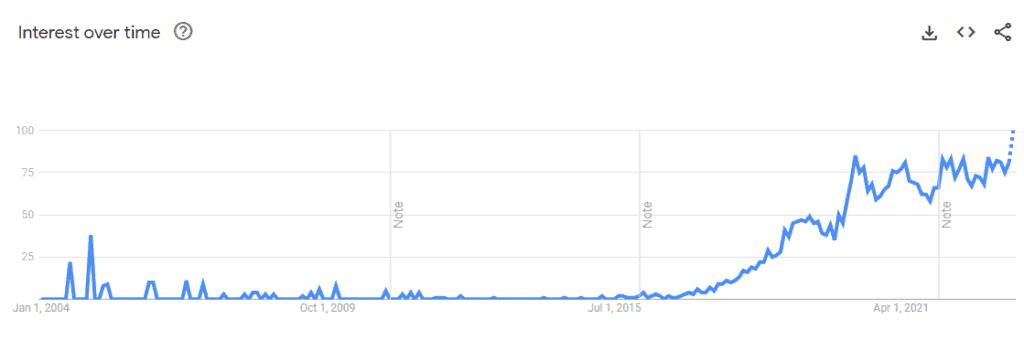
All is not rainbows and candy, though, as the owner of the trademarked “Skittles” candy brand, WM. Wrigley Jr. Co. has recently successfully settled a case brought against Mendocino, CA-based Terphogz Geneticz LLC for using its likeness in the marketing of its now-infamous strains.
Terphogz, which uses the letter “Z” in most of its product nomenclature and also uses it as its brand symbol, filed to have the case dismissed, but the judge rejected the motion in 2021.
Michigan breeders and growers in Colorado have also been ordered to cease using the “Oreoz” name, which followed a similar “z” workaround to “Zkittlez”.
The new 2023 settlement states that Terphogz must cease using “Zkittlez” and related terms in connection with its own product sales. This includes slogans such as “Taste the Z Train” and ”Taste the Strain Bro,” which Wrigley claims are too similar to their name-brand candy slogan.
Terphogz can still use the letter “Z” in their business name. Thank god the alphabet hasn’t been entirely trademarked already, right?
The settlement still requires court approval, but this is likely to occur, given that both parties have already agreed to it.
Growing Historical Precedent
Wrigley isn’t the first brand to get upset about a cannabis brand riffing on their product names. The cannabis industry is full of strains that cleverly play off existing words and phrases to describe their products.
For example, the adhesives company Gorilla Glue successfully sued and reached a settlement with Nevada-based GG Strains over the use of the name “Gorilla Glue” for their strain, which is why those genetics are now simply referred to as GG#4 or GG4.
Likewise, Girl Scouts of America has taken issue with the promotion of cannabis products that feature their core fundraising product’s likeness in “Girl Scout Cookies,” which is now more commonly referred to simply as the acronym “GSC,” similar to how “Gorilla Glue” became “GG#4.
At the end of 2023, the French Laundry Restaurant Corporation in Los Angeles sent a cease to CA-based Maven Genetics because they also had a strain named “French Laundry”, forcing them to change it to the strain “Formerly Known As French Laundry“.
A Sticky Situation Arises
Trademark laws exist for a reason, and it’ll be interesting to see how these types of lawsuits play out in the coming years, given the rising star power of cannabis brands and the head-to-head competition with established confectionery and snack brands.
It all seems like a bit of a wasted opportunity, as I find it hard to believe that someone entering a legal dispensary (age-restricted, ID required to purchase) would accidentally or unknowingly confuse a few ounces of dried plant matter with the shiny hard candies whose namesake they riffed off.
Likewise, nobody goes into a gas station buying a pack of Skittles expecting or uncertain if it contains candy or cannabis plant matter.
Personally, I see this type of creative riffing as more of a badge of honor and respect than a diabolical plot to siphon profits from consumer-goods brands. The “Zkittlez” products were widely loved in the community, the same as their candy.
This growing brand awareness, even in its awkward “Z” variant, perpetuated the image of a delicious, fruity product. The same could be argued with GSC and GG4.
All that said, who knows the true motivations for these types of legal battles? These brands might be less concerned about past/current brand image damage or sales losses and more interested in future officially licensed collaborations, should cannabis be federally legalized, for example.
What do you think? Are cannabis brands riffing off established slogans and trademarks a good thing or a bad thing? When a consumer product brand successfully sues a cannabis brand for infringement in court, does that affect your likelihood of patronizing that brand?


